
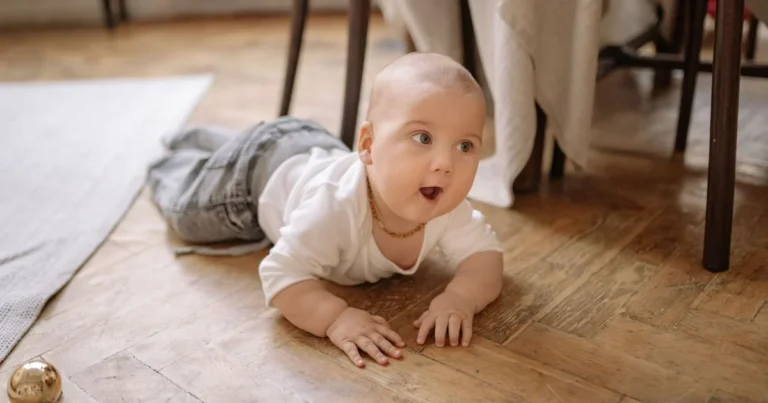
What Age Do Babies Crawl? 4 Essential Milestones Explained
Watching your little one gain mobility marks an exciting chapter in their development. You might wonder what age do babies crawl as you watch them push up during tummy time. Most infants begin crawling during the second half of their first year, but each child follows a unique timeline. Before reaching this milestone, you likely noticed when do babies start rolling over to explore their surroundings. You may also have tracked when can a baby sit up on their own, which builds core strength for movement. Knowing what age do babies start crawling helps you prepare your home for a mobile explorer. Some infants skip traditional crawling methods or move in unusual ways. This guide offers practical tips for creating safe spaces, encouraging play, and recognizing readiness signs. It also explains when to consult your pediatrician about developmental progress. Key Takeaways What Age Do Babies Crawl? You may ask what age do babies crawl as your little one grows. Most infants explore by moving between 6 and 10 months, but each child develops at their own pace. Typical age range for crawling Most babies crawl between 6 and 10 months, but this range is only an estimate. Some start at 6 months, while others wait until nearly a year. Knowing what age do babies start crawling can help you set realistic expectations for your child’s physical progress. Why some babies crawl earlier or later Several factors affect when your baby moves independently. Physical strength, especially in the core and shoulders, helps babies support their weight. Temperament and daily chances for floor play can also affect their wish to explore. How crawling fits into overall motor development Crawling is a complex skill that builds on earlier achievements. Your baby usually masters rolling, reaching, and sitting before coordinating their limbs for forward movement. These early movements build the balance and coordination needed for more advanced mobility. When variation is usually normal Babies reach milestones at different times, and this is normal. If your baby meets other developmental goals, a slight crawling delay is usually not concerning. Consistent growth and engagement with their surroundings often matter more than a specific calendar date. Why some babies skip traditional crawling Not every infant uses the classic hands-and-knees pattern. Some use army crawling on their bellies, bottom shuffling, or rolling to move around. These variations can be just as effective for building the strength and spatial awareness needed for future walking. Milestone Typical Age Range Primary Benefit Rolling Over 4–6 Months Core muscle development Sitting Up 6–8 Months Balance and stability Crawling 6–10 Months Coordination and exploration Pulling to Stand 9–12 Months Leg strength and weight-bearing The method your baby chooses matters less than their desire to interact with the world. Whether they scoot or crawl, they learn vital skills for the next stage of physical development. When Do Babies Start Rolling Over and Sitting Up? Watching your baby control their body is a highlight of the first year. These early skills prepare them for complex movements, including crawling and walking. When do infants roll over? Many parents ask when do babies start rolling over as their child becomes more active during floor time. Most babies reach this milestone between 4 and 6 months. Early signs of rolling from tummy to back Early attempts often happen while your baby lies on their stomach. They may push up on their arms and tip onto their back by accident. This exciting discovery often begins after they build enough shoulder strength to shift their weight. Signs of rolling from back to tummy Rolling from back to tummy is a more advanced skill that needs stronger core muscles. It often happens a few months after the tummy-to-back roll. Rocking their hips or reaching for a toy may signal this transition. When can a baby sit up on their own? Sitting marks a major step in your baby’s development. Many parents ask when can a baby sit up on their own. Most babies reach this skill between 6 and 8 months. Supported sitting and developing trunk control Before sitting alone, your baby will likely enjoy supported sitting. Placing them in a sofa corner or using a nursing pillow helps them practice balance. This practice is essential for building the trunk control needed to sit upright without help. Moving from sitting independently to crawling Once your baby masters sitting, their world changes significantly. They can use their hands to reach for toys, pivot, and eventually shift into a crawling position. This new stability acts as a launchpad for later mobility. Signs Your Baby Is Ready to Crawl As your baby grows, certain behaviors show they are preparing to explore independently. Every child follows a unique timeline, but these crawling readiness signs offer helpful context about physical progress. Building strength during tummy time Regular baby tummy time builds a foundation for future movement. Time on the stomach develops the neck, shoulder, and core muscles needed to support body weight. Your infant may lift their head higher and hold their chest off the floor with more confidence. Reaching, pivoting, and shifting weight As upper-body strength grows, your baby interacts with the world more purposefully. They may reach for toys or pivot in a circle while lying on their belly. This weight shifting builds balance before they try to move forward. Pushing up on hands and knees Your baby may eventually move from lying flat to baby pushing up on hands and knees. This position gives them a new view of the world. It marks a major milestone as they learn to move their limbs together. Rocking, scooting, and moving backward…