
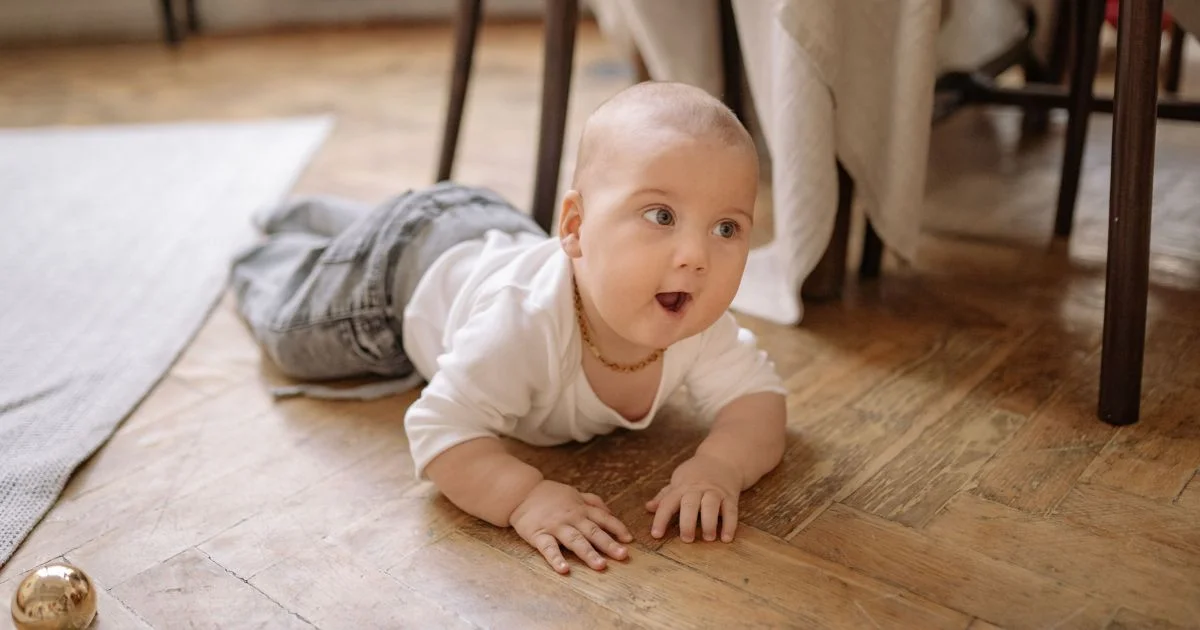
What Age Do Babies Crawl? 4 Essential Milestones Explained
Watching your little one gain mobility marks an exciting chapter in their development. You might wonder what age do babies crawl as you watch them push up during tummy time. Most infants begin crawling during the second half of their first year, but each child follows a unique timeline.
Before reaching this milestone, you likely noticed when do babies start rolling over to explore their surroundings. You may also have tracked when can a baby sit up on their own, which builds core strength for movement. Knowing what age do babies start crawling helps you prepare your home for a mobile explorer.
Some infants skip traditional crawling methods or move in unusual ways. This guide offers practical tips for creating safe spaces, encouraging play, and recognizing readiness signs. It also explains when to consult your pediatrician about developmental progress.
Table of Contents
Key Takeaways
- Most infants begin moving independently between 7 and 10 months.
- Rolling and sitting are essential precursors to future mobility.
- Every child develops at their own pace, and variations are normal.
- Some infants may scoot or roll instead of using hands and knees.
- Creating a safe, open environment encourages your child to practice new skills.
What Age Do Babies Crawl?
You may ask what age do babies crawl as your little one grows. Most infants explore by moving between 6 and 10 months, but each child develops at their own pace.
Typical age range for crawling
Most babies crawl between 6 and 10 months, but this range is only an estimate. Some start at 6 months, while others wait until nearly a year. Knowing what age do babies start crawling can help you set realistic expectations for your child’s physical progress.
Why some babies crawl earlier or later
Several factors affect when your baby moves independently. Physical strength, especially in the core and shoulders, helps babies support their weight. Temperament and daily chances for floor play can also affect their wish to explore.
How crawling fits into overall motor development
Crawling is a complex skill that builds on earlier achievements. Your baby usually masters rolling, reaching, and sitting before coordinating their limbs for forward movement. These early movements build the balance and coordination needed for more advanced mobility.
When variation is usually normal
Babies reach milestones at different times, and this is normal. If your baby meets other developmental goals, a slight crawling delay is usually not concerning. Consistent growth and engagement with their surroundings often matter more than a specific calendar date.
Why some babies skip traditional crawling
Not every infant uses the classic hands-and-knees pattern. Some use army crawling on their bellies, bottom shuffling, or rolling to move around. These variations can be just as effective for building the strength and spatial awareness needed for future walking.
| Milestone | Typical Age Range | Primary Benefit |
| Rolling Over | 4–6 Months | Core muscle development |
| Sitting Up | 6–8 Months | Balance and stability |
| Crawling | 6–10 Months | Coordination and exploration |
| Pulling to Stand | 9–12 Months | Leg strength and weight-bearing |
The method your baby chooses matters less than their desire to interact with the world. Whether they scoot or crawl, they learn vital skills for the next stage of physical development.
When Do Babies Start Rolling Over and Sitting Up?
Watching your baby control their body is a highlight of the first year. These early skills prepare them for complex movements, including crawling and walking.
When do infants roll over?
Many parents ask when do babies start rolling over as their child becomes more active during floor time. Most babies reach this milestone between 4 and 6 months.
Early signs of rolling from tummy to back
Early attempts often happen while your baby lies on their stomach. They may push up on their arms and tip onto their back by accident. This exciting discovery often begins after they build enough shoulder strength to shift their weight.
Signs of rolling from back to tummy
Rolling from back to tummy is a more advanced skill that needs stronger core muscles. It often happens a few months after the tummy-to-back roll. Rocking their hips or reaching for a toy may signal this transition.
When can a baby sit up on their own?
Sitting marks a major step in your baby’s development. Many parents ask when can a baby sit up on their own. Most babies reach this skill between 6 and 8 months.
Supported sitting and developing trunk control
Before sitting alone, your baby will likely enjoy supported sitting. Placing them in a sofa corner or using a nursing pillow helps them practice balance. This practice is essential for building the trunk control needed to sit upright without help.
Moving from sitting independently to crawling
Once your baby masters sitting, their world changes significantly. They can use their hands to reach for toys, pivot, and eventually shift into a crawling position. This new stability acts as a launchpad for later mobility.
Signs Your Baby Is Ready to Crawl
As your baby grows, certain behaviors show they are preparing to explore independently. Every child follows a unique timeline, but these crawling readiness signs offer helpful context about physical progress.
Building strength during tummy time
Regular baby tummy time builds a foundation for future movement. Time on the stomach develops the neck, shoulder, and core muscles needed to support body weight. Your infant may lift their head higher and hold their chest off the floor with more confidence.
Reaching, pivoting, and shifting weight
As upper-body strength grows, your baby interacts with the world more purposefully. They may reach for toys or pivot in a circle while lying on their belly. This weight shifting builds balance before they try to move forward.
Pushing up on hands and knees
Your baby may eventually move from lying flat to baby pushing up on hands and knees. This position gives them a new view of the world. It marks a major milestone as they learn to move their limbs together.
Rocking, scooting, and moving backward
Before moving forward, many babies rock back and forth on all fours. Some infants may also scoot or drag themselves across the floor. This practice helps them learn to control their bodies in space.
Why moving backward often happens before forward movement
Babies often move backward first because arm strength develops faster than leg coordination. They push with their hands, but their knees have not yet learned to propel them forward. This temporary phase is normal and does not show a developmental delay.
| Developmental Sign | Primary Benefit | What to Observe |
| Tummy Time | Core Strength | Head and chest lifting |
| Pivoting | Balance Control | Rotating in a circle |
| Rocking | Coordination | Back and forth motion |
| Rolling | Mobility | When do infants roll over |
Common Ways Babies Learn to Move
Many parents expect a classic crawl, but babies can move in many ways. Your baby may try several methods before choosing a favorite way to cross the room. These patterns show how hard your child works while exploring.
Hands-and-knees crawling
The classic hands-and-knees crawling style is what many people picture first. It requires coordination among the arms, legs, trunk, and pelvis. It helps your baby move well while keeping their head up to scan the room.
Army crawling on the belly
Many infants start with army crawling, pulling forward while keeping their belly close to the floor. This style helps babies build early strength in their shoulders and core. It often comes before more upright movement.
Bottom shuffling and scooting
Some children prefer bottom shuffling, sitting upright while using their hands and feet to move. This normal style lets babies keep their hands free to play with toys. It is one of many effective baby crawling alternatives for independent movement.
Rolling, pivoting, and other crawling alternatives
Before mastering a forward crawl, your baby may roll or pivot to reach a desired object. Pivoting means spinning in a circle on the tummy to change direction. These baby crawling alternatives build spatial awareness and muscle control.
«Every child has their own timeline and their own unique way of discovering the world around them.»
How different movement styles can still support development
Traditional movement is not the only path to developmental milestones. Whether your baby uses hands-and-knees crawling or prefers army crawling, they actively use their muscles. These varied movements build coordination for future skills, such as standing and walking.
Focus on the process of movement, not the specific style. Each method lets your baby practice balance and shifting weight. Supporting your baby’s chosen path builds confidence and curiosity as they grow.
How to Encourage Crawling Through Everyday Play
Turn floor time into an adventure to encourage baby to crawl. A supportive space helps your child build muscles for independent movement.
Use tummy time to strengthen the shoulders and core
Regular tummy time activities build the neck, shoulder, and core strength needed for movement. On their stomach, babies learn to push up and support their weight.
Place interesting toys just beyond your baby’s reach
Place toys to encourage crawling a few inches beyond your baby’s reach. This gives your baby a goal and encourages stretching, pivoting, or scooting forward.
Create opportunities to practice reaching and weight shifting
During baby floor play, place your baby in different positions. Encourage your baby to shift weight from side to side on hands and knees. This builds balance for coordinated crawling.
Limit prolonged time in restrictive baby equipment
Swings and stationary activity centers can be convenient, but they limit the movement babies need to explore. Too much time in these devices can slow core muscle development.
Balancing supported play with freedom to move
Find a healthy balance between support and free exploration. Allowing your baby to move freely on a safe, flat surface is the most effective way to build natural motor skills.
Join your baby on the floor and demonstrate movement
Your presence can motivate your baby. Get on the floor to demonstrate movement and show your baby how to explore. If your baby gets tired or frustrated, offer a gentle pause to keep play positive.
| Play Strategy | Primary Benefit | Frequency |
| Tummy Time | Core Strength | Multiple times daily |
| Reaching Games | Weight Shifting | During active play |
| Floor Exploration | Motor Coordination | As much as possible |
| Equipment Use | Temporary Rest | Limited duration |
How to Create a Safe Space for Crawling
When your little one starts crawling, your home becomes a playground. This exciting milestone calls for babyproofing for crawling to protect your curious explorer. A proactive plan lets your baby move freely while avoiding hidden dangers.
Babyproof floors, furniture, and electrical hazards
Effective crawling safety starts at floor level. Get down on your hands and knees to see your baby’s view. This simple step helps you spot risks hidden from a standing position.
Secure stairs, windows, doors, and cabinets
Install sturdy safety gates at the top and bottom of every staircase to prevent falls. Use window guards or cord shorteners to keep blind cords away from little hands. Also, lock cabinets with cleaning supplies or sharp objects to create a safe crawling space.
Remove choking hazards and small objects
Coins, buttons, and loose hardware can cause choking. Sweep your floors daily to remove small objects from your baby’s reach. Clear surfaces help create a secure environment.
Keep unsafe items out of reach as mobility increases
As your baby gains speed, they may reach items once considered «out of bounds.» Move heavy decor, unstable lamps, and electrical cords to higher shelves or secure them behind furniture. As your baby’s reach expands each day, Constant vigilance remains necessary.
Choose safe clothing and surfaces for movement
Choose clothing that allows easy movement without feeling slippery or restrictive. Soft, non-slip socks or bare feet provide the best traction on hardwood or tile floors. On large areas of hard flooring, use a soft, washable play mat to cushion your baby’s knees.
Supervise crawling without restricting exploration
Your presence is the best tool for keeping your baby safe while learning to navigate. Let your baby explore while staying close enough to stop them near a hazard. Active supervision builds confidence while protecting your baby.
Why walkers are not a safe way to teach crawling
Many parents ask about baby walker safety, but experts generally advise against walkers. Walkers can give babies access to stairs or hot stoves before they can handle them. They also do not teach natural crawling mechanics and may delay development.
What Crawling Can Tell You About Development
Your baby’s path toward independent movement uses many body systems at once. It is exciting, and crawling and development connect in ways beyond simple physical activity. This stage lets you watch how your child interacts with the world around them.
How crawling supports coordination and body awareness
When your baby starts moving, they build baby coordination by using both body sides together. This process, called bilateral integration, helps the brain communicate across its two hemispheres. Developing this skill supports balance and spatial awareness as your child learns to move through their environment.
The connection between crawling, reaching, and hand skills
As your baby explores, they often stop to reach for interesting objects. This repeated action builds crawling and hand skills through grasping, releasing, and moving items between hands. Fine motor development grows during these moments because your baby stabilizes their body while exploring with their hands.
How mobility may affect sleep, feeding, and daily routines
More movement may briefly change your household rhythm. Your baby may sleep restlessly or seem distracted during feeding because they want to practice new skills. It is perfectly normal for daily routines to change as your child tests newfound independence.
Why crawling alone does not measure intelligence or future ability
Crawling is only one part of a much larger picture. Many parents worry when their child is «behind,» but crawling does not predict future intelligence or physical ability. Each child follows a unique path, and some skip traditional crawling for other movement styles.
Looking at your baby’s overall pattern of progress
When tracking baby developmental milestones, consider the big picture instead of one skill. Use these factors to gauge your baby’s growth:
- Consistent engagement: Is your baby showing interest in their surroundings?
- Problem-solving: Do they attempt to reach for toys or overcome small obstacles?
- Social interaction: Are they communicating their needs through sounds or gestures?
- Physical variety: Are they showing strength in different positions, such as sitting or rolling?
By focusing on the overall pattern of progress, you can appreciate how your baby learns to interact with the world. Trust your observations and provide a supportive environment for your baby’s natural curiosity.
When to Talk With Your Baby’s Pediatrician
Watching your baby’s movement is a normal part of parenting, but some signs need professional attention. You may have minor baby crawling concerns, but knowing when to seek advice helps your child get support for healthy growth.
Developmental changes that deserve medical guidance
Protect your child’s health by acting on clear warning signs. Do not wait for a behavior to change; call your doctor about ongoing problems.
Loss of a skill your baby previously had
If your baby suddenly stops a movement they mastered, contact your pediatrician. Regression in motor skills is never something to ignore or wait out.
Marked stiffness, floppiness, or one-sided movement
Watch your baby for unusual muscle tone. Marked stiffness or unusual floppiness needs professional assessment. If your baby favors one side, discuss it during a pediatrician developmental evaluation.
Difficulty bearing weight or using both sides of the body
If your baby cannot support their weight on their arms or legs, they may have delayed crawling. Also seek advice if they do not use both sides evenly during play or exploration.
How to prepare for a pediatric appointment
Preparing for your visit helps your doctor understand the situation. These steps support a productive conversation about your child’s needs.
Record movement patterns and specific concerns
Keep a log of your observations. Record specific dates, take short videos of concerning movements, and write down your questions. This evidence helps your doctor evaluate the situation accurately.
Ask about early intervention evaluation when appropriate
If you worry about your baby’s progress, ask about an early intervention for babies program. Your pediatrician can refer you or suggest resources with specialized support. Early action can help your child reach their full potential.
Conclusion
Every baby follows a unique path toward movement. You may ask what age do babies crawl, but healthy children develop at different times. Provide a safe space that encourages natural exploration.
Rolling, sitting, and scooting build strength for physical growth. These movements support baby crawling milestones in different ways. Watch patiently as your child learns these new skills.
Supporting baby development means creating a safe space for movement practice. Limit restrictive gear so your baby can strengthen muscles freely. Play with your baby on the floor to build confidence.
Trust your instincts if your baby suddenly loses a skill or moves unevenly. Contact your pediatrician about concerns with your child’s progress. Your quick action helps your baby receive the best care during these exciting early months of discovery.
FAQ
What age do babies start crawling on average?
Most infants begin crawling between 6 and 10 months, though the age babies crawl varies significantly for each child. Some start earlier by scooting, while others may take until their first birthday to master a traditional hands-and-knees gait. Crawling is a flexible milestone, and some healthy babies skip traditional crawling entirely before pulling themselves up to stand.
When do infants roll over from tummy to back and back to tummy?
You will likely see your child roll from tummy to back around 4 to 6 months. Rolling from back to tummy often happens later because it requires more trunk and shoulder strength. When do infants roll over? This is often an early sign that your baby has the core stability needed for later mobility.
When can a baby sit up on their own without support?
Most infants reach independent sitting between 6 and 8 months. Your baby may first sit by leaning on their hands, often called a «tripod sit,» or using a Boppy pillow. Sitting opens a new world of play, helping them reach toys and later move into a crawling position.
What are the signs that my baby is getting ready to crawl?
Before your baby’s first forward «step,» you might see rocking on all fours or pushing up on their hands. Other readiness signs include pivoting in circles during tummy time and shifting weight from side to side. Babies often move backward first because their arm muscles are stronger and more coordinated than their legs.
Is it normal if my baby uses an «army crawl» or «bottom shuffling» style?
Yes, babies learn to move in many «non-traditional» ways. Army crawling keeps the belly on the floor, while bottom shuffling means scooting on the diaper. These styles help your baby build spatial awareness and coordination. As long as your child uses both sides of their body to explore, these patterns are usually healthy.
How can I encourage my baby to practice crawling through play?
The best way to encourage movement is regular tummy time on a safe surface, such as a Lovevery Play Mat. Place favorite toys just out of reach to motivate your baby to reach and shift their weight. Also, limit time in restrictive equipment like bouncers or «containers,» because free floor play builds core strength and encourages new movements.
How should I babyproof my home once my baby starts moving?
When your baby moves, gate stairs, cover outlets, and anchor heavy furniture like dressers or TVs. Remove small objects that could cause choking, and keep cleaning supplies in locked cabinets. The American Academy of Pediatrics (AAP) warns against walkers: serious injury can result, and they do not teach these skills.
When should I be concerned about my baby’s motor development?
You should consult your pediatrician if you notice a lost skill or a strong preference for one side of their body. Other signs needing evaluation include marked stiffness, floppiness, or inability to bear weight on their legs by their first birthday. Your doctor can determine whether early intervention screening could support your child’s progress.